
No products in the cart.


Sale!
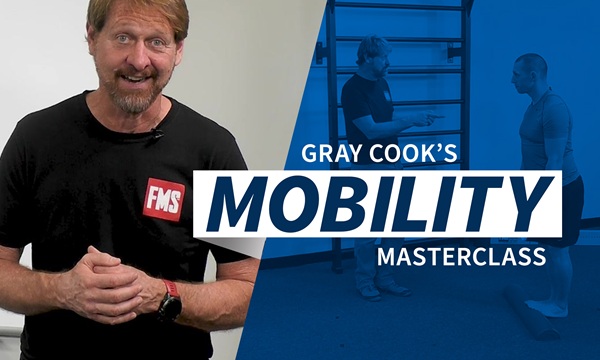
Movement Masterclass – Mobility
$89.00 $12.00
- Payment method: I will send the payment link to your email.
- Deliver by: Google Drive, Mega.nz
The Movement Masterclass offers a transformative journey into understanding and correcting movement dysfunction by emphasizing mobility from the outset. This comprehensive approach seeks to reshape how we think about physical activity and rehabilitation, making it essential for practitioners and enthusiasts alike.
Movement Masterclass

Embarking on the Movement Masterclass is not just about learning techniques; it’s about reshaping our understanding of movement itself. This masterclass serves as a foundational piece for anyone involved in health and fitness, offering insights that transcend traditional methods. The focus is grounded in a holistic view of human movement, highlighting how crucial mobility is to overall functionality and performance.
In today’s world, where sedentary lifestyles are prevalent, understanding correct movement patterns becomes paramount. The Movement Masterclass provides a structured framework that helps identify and address mobility issues, guiding individuals toward more effective and efficient movement practices. It employs a blend of scientific knowledge, practical application, and a keen awareness of individual needs to create a comprehensive program aimed at enhancing mobility.
The Importance of Mobility
Mobility is often misunderstood as merely the range of motion within a joint. However, it encompasses a broader spectrum of capabilities that include balance, coordination, and the ability to perform integrated movement patterns without asymmetries. This distinction is critical because it shifts the focus from isolated muscle groups to global movement patterns, allowing practitioners to design interventions that foster long-term improvements.
The Movement Masterclass adopts a mobility-first mindset, underscoring the idea that functional mobility is the foundation upon which higher-level movements are built. By prioritizing mobility, practitioners can lay the groundwork for clients to engage in more complex exercises safely and effectively. This shift in perspective encourages a proactive approach to movement correction, preventing injuries before they arise rather than simply responding to them.
Key Components of the Masterclass
A core feature of the Movement Masterclass is its reliance on standardized screening and assessment systems. Tools such as the Functional Movement Screen (FMS), Selective Functional Movement Assessment (SFMA), and Movement Capacity Screen (MCS) provide invaluable data regarding an individual’s movement capabilities. These assessments help establish baselines for mobility and guide practitioners in discerning whether to take a local or global approach to intervention.
For instance, if a practitioner identifies limited mobility due to tissue quality—physical restrictions within muscles, fascia, or joints—they may employ local measures such as soft tissue work or joint mobilizations. Conversely, if the limitation stems from inappropriate neurological tone—protective tension that restricts range despite healthy tissue—global measures like Mobility Flows and Starter Flows become essential. This methodical approach ensures that the corrective strategy aligns with the underlying physiological or neurological cause of the movement dysfunction.
Mobility
Understanding mobility extends beyond simple flexibility; it encompasses the body’s overall capability to execute coordinated movement patterns seamlessly. The Movement Masterclass emphasizes this comprehensive viewpoint, illustrating how true mobility requires a balance of strength, control, and stability throughout various phases of movement.
The importance of mastering mobility cannot be overstated in today’s fast-paced world, where many suffer from movement limitations due to prolonged periods of inactivity. The Movement Masterclass equips practitioners with the tools to assess, correct, and enhance mobility effectively, encouraging a healthier lifestyle through informed movement practices.
Defining Functional Mobility
Defining mobility within the context of functional movement requires an understanding of how the body should ideally operate. Functional mobility incorporates not just the range of motion at individual joints but also the ability to combine movements across different segments without compromising balance or symmetry.
This approach allows practitioners to recognize that mobility issues may stem from several sources, including weakness, tightness, or even poor motor control. By utilizing standardized assessments, practitioners can identify specific areas of concern and tailor their corrective strategies to address these issues comprehensively.
Screening and Assessment Framework
Effective screening and assessment form the backbone of the Movement Masterclass. The use of the FMS, SFMA, and MCS brings clarity to the complexities of mobility challenges. Each tool serves a distinct purpose in evaluating movement patterns and identifying dysfunction.
The FMS focuses on fundamental movement deficiencies, helping practitioners understand which basic movements may need improvement. Meanwhile, the SFMA delves deeper into pain-related movement dysfunctions, guiding practitioners in devising targeted interventions. Lastly, the MCS evaluates an individual’s capacity to sustain movement under load or fatigue, providing insights that inform longer-term programming strategies.
By integrating these assessment tools into a coherent framework, the Movement Masterclass establishes a clear roadmap for addressing mobility issues. Practitioners can systematically analyze data, refine intervention strategies, and ultimately enhance their clients’ movement capabilities.
Intervention Strategies
Intervention strategies within the Movement Masterclass emphasize a tiered approach, moving progressively from localized corrections to comprehensive global movement patterns. This methodology highlights the importance of distinguishing between local and global measures when designing corrective interventions.
Local measures target specific segments of the body, employing techniques such as soft tissue work and joint mobilization to address mechanical issues related to tissue quality. In contrast, global measures focus on the entire body, emphasizing fluidity and coordination through practices like Mobility Flows. These global strategies facilitate the reprogramming of movement patterns and enhance overall functional ability.
The incorporation of Starter Flows further emphasizes the developmental aspect of movement training. These flows utilize foundational milestones—such as breathing and rolling—to reset dysfunctional movement patterns and encourage optimal sequencing and coordination. By focusing on these essential building blocks, practitioners can cultivate a robust foundation for more advanced movements.
Conclusion
In conclusion, the Movement Masterclass encapsulates a revolutionary approach to understanding mobility and movement dysfunction. By prioritizing a comprehensive, mobility-first mindset, the masterclass empowers practitioners with the tools and knowledge necessary to assess, correct, and enhance movement capabilities. Through a structured framework that integrates screening, assessment, and targeted interventions, participants can transform not only their practice but also the lives of their clients, laying the groundwork for healthier, more functional movement patterns in everyday life.
Sales Page:_https://functionalmovement.com/Store/246/movement_masterclass_mobility
Be the first to review “Movement Masterclass – Mobility”
Related products
Sale!

Health & Fitness
[Hot] Frederic Delavier – Strength Training Anatomy 2nd.Edition
Sale!

Health & Fitness

Health & Fitness
$34.50

Health & Fitness
$3.50
Sale!

Health & Fitness

Health & Fitness
$5.99
Sale!

Health & Fitness
Sale!

Health & Fitness
Reviews
There are no reviews yet.